
Miami Real Estate Market 2026: A Balanced Outlook for Buyers, Sellers, and Investors
Updated March 2026
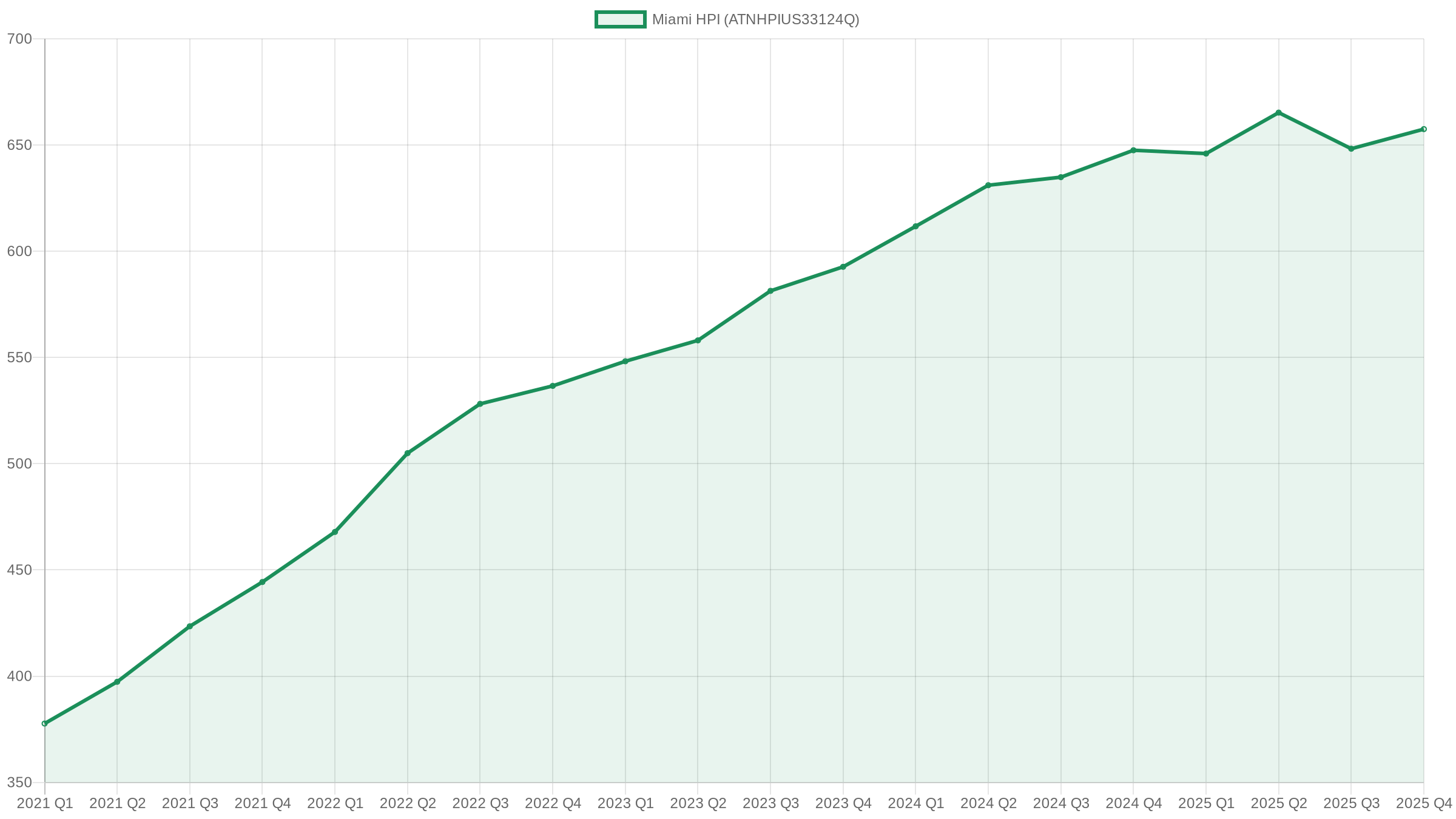
The Miami real estate market in 2026 looks healthier when it is described as balanced rather than hot or weak. Demand is still present, long-term fundamentals remain attractive, and the city continues to draw wealth, migration, and international interest. At the same time, buyers have become more selective, inventory is less constrained than it was at peak intensity, and sellers are facing a market that now rewards precision more than momentum.
That creates a more useful environment for serious participants. Buyers have better negotiating conditions. Sellers can still win, but only when pricing and presentation are aligned. Investors can still find opportunity, but they need to separate enduring Miami demand from noisy national housing headlines.
Why 2026 Feels More Balanced
The defining feature of the current cycle is moderation. Miami is no longer operating under extreme scarcity in the way it did during the strongest post-pandemic years. More listings are available, financing pressure has eased from prior peaks, and buyers have become more comfortable taking time to compare neighborhoods and product types before committing.
That moderation is not inherently bearish. In many ways it improves decision quality across the market. It narrows the gap between perception and reality and makes property-specific analysis more valuable again.
What Buyers Should Take From This
Buyers should see 2026 as a year where discipline can finally pay off. It is easier to compare options, negotiate with sellers who overreached, and focus on asset quality rather than just chasing whatever comes available first. The best buyers in this market are the ones who know their neighborhood priorities, understand monthly cost structure, and move confidently when a strong listing is priced near evidence.
Miami still offers strong long-term appeal, but 2026 is not the year to buy on hype alone. Location, building quality, and long-term livability matter more than ever.
What Sellers Should Take From This
Sellers still have opportunity, especially in desirable neighborhoods and well-positioned properties. But the path to that result is different now. Buyers are quicker to walk, slower to stretch, and much more aware of the alternatives they have. The market is less forgiving of stale listings, lazy presentation, and aspirational pricing without support.
The strongest sellers in 2026 are not the ones who insist on old headline comparables. They are the ones who understand today’s competition and launch with a clear pricing strategy from the start.
What Investors Should Watch
For investors, Miami still stands out because of population movement, international demand, and lifestyle-driven tenant appeal. But the best opportunities are increasingly neighborhood- and building-specific. Investors should focus on submarkets with durable demand, controllable operating costs, and product that still looks competitive if supply expands further.
In other words, 2026 still favors Miami, but not every Miami asset equally.
The Case for a Measured Bullish View
There is still a strong long-term argument for Miami real estate. The city’s tax position, global visibility, and mix of lifestyle and business demand continue to create relevance that most metros cannot replicate. What has changed is the need for more sober execution. That is a positive shift for serious operators and thoughtful buyers.
A balanced market is often the best market to work in because the data becomes more honest. That is what 2026 is giving us.
Quick Questions for Buyers and Sellers
What does the Miami real estate outlook for 2026 look like?
The market appears more balanced than the prior surge years, with better opportunities for patient buyers and more pressure on sellers to price correctly.
Is Miami still attractive to investors in 2026?
Yes, particularly in neighborhoods with durable demand, strong lifestyle appeal, and limited high-quality inventory.
Which segments deserve the most attention?
Condos, luxury urban neighborhoods, and value-sensitive buyer segments all need separate analysis because they are moving at different speeds.
Next Reads
- Miami Real Estate Market Report 2026: Sold Stats, Prices, and Buyer Trends
- Miami Real Estate Market Trends 2026: Latest Updates for Buyers and Sellers
- Brickell Miami Real Estate Market Report — Q1 2026
Talk to a Brickell Specialist
Need help comparing Brickell condos, timing a Miami move, or evaluating a new-construction opportunity? Speak with the Brickell Sold team.
