
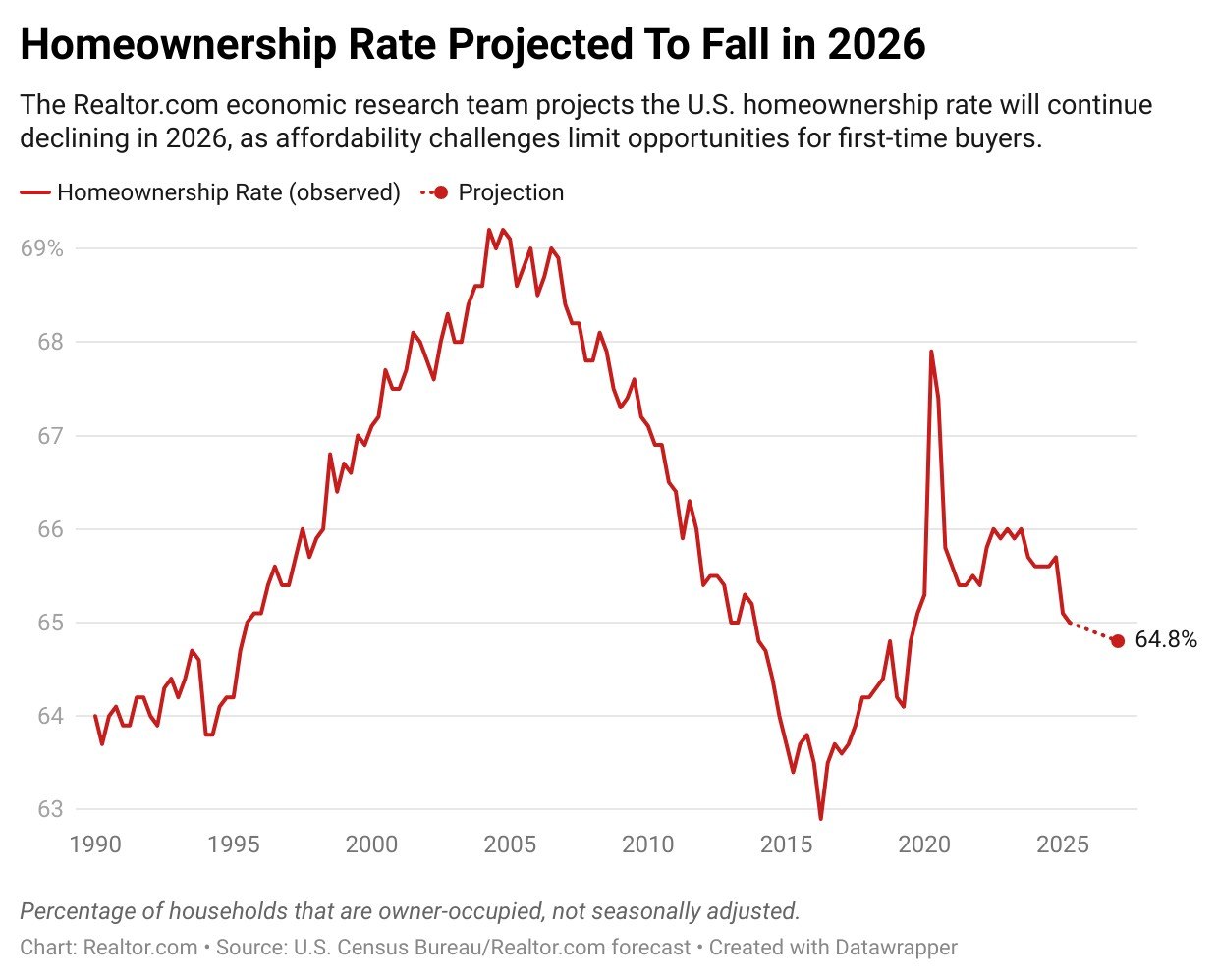
Miami buyers are still facing a difficult ownership market in 2026. Mortgage costs remain elevated, down payments are large, and many entry-level buyers are competing in neighborhoods where condo fees and insurance costs matter just as much as the list price.
The bigger takeaway is not just that ownership is harder nationally. It is that Miami buyers have to make sharper decisions about product type, monthly carrying cost, and neighborhood strategy if they want to buy without stretching too far.
Why Miami ownership remains difficult
In Miami, affordability pressure comes from several directions at once. Prices remain high in many core neighborhoods, newer condos often carry significant association fees, and insurance costs continue to shape the true monthly payment. Even when rates improve slightly, the full cost of ownership can still push first-time and move-up buyers to the sidelines.
That is why the ownership conversation in Miami is less about headline mortgage rates and more about total monthly obligation. Buyers comparing rent to ownership need to account for taxes, HOA dues, reserves, parking, and special-assessment risk.
What buyers should watch in 2026
Monthly payment, not just price
A condo that looks affordable on list price alone can become expensive once financing, insurance, and HOA dues are added. Buyers should stress-test the payment at different rate scenarios before making offers.
Inventory by neighborhood and building type
Conditions vary sharply across Miami. Brickell, Downtown, Edgewater, and Miami Beach do not move in lockstep. Some segments offer more negotiating room, while well-located, move-in-ready properties still attract competition.
Building quality and reserves
For condo buyers, ownership costs are increasingly tied to building management. Reviewing financials, reserves, recent assessments, and pending capital projects is no longer optional.
How this affects Brickell and nearby urban markets
Brickell remains one of the most liquid urban submarkets in South Florida, but it also highlights the affordability challenge clearly. Buyers are paying for location, amenities, and access to the city core. That keeps demand resilient, yet it also means buyers have to be selective about tower quality, floor plan efficiency, and total monthly burn.
For many professionals, the practical decision is whether to buy a condo now, continue renting while building a stronger down payment, or expand the search into adjacent neighborhoods where ownership costs are more manageable.
What smart buyers can do next
Buyers who want to stay active in this market should narrow their search around lifestyle fit and payment comfort, not just broad market headlines. Start by comparing a few realistic options: a newer Brickell condo, a resale unit with lower price but higher building risk, and a nearby neighborhood alternative with lower carrying costs.
If you are evaluating that tradeoff now, browse current Miami and Brickell listings or speak with Brickell Sold about the buildings and neighborhoods that best fit your budget.
Quick Questions for Buyers and Sellers
Is Miami still worth buying in if ownership is getting harder?
Yes, but buyers need to be more disciplined on building choice, financing, and total monthly cost than they did in lower-rate years.
What matters more in 2026: price or payment?
Payment. In Miami, taxes, insurance, and HOA dues can change affordability more than a small difference in purchase price.
Should first-time buyers avoid condos?
Not necessarily. Condos can still be the right entry point, but the building review has to be thorough.
Next Reads
- Miami Real Estate Market Report 2026
- Miami Real Estate Market Update March 2026
- Brickell Condos for Sale: What Lower Mortgage Rates Mean in 2026
Talk to a Brickell Specialist
Need help comparing Brickell condos, timing a Miami move, or evaluating a new-construction opportunity? Speak with the Brickell Sold team.
