
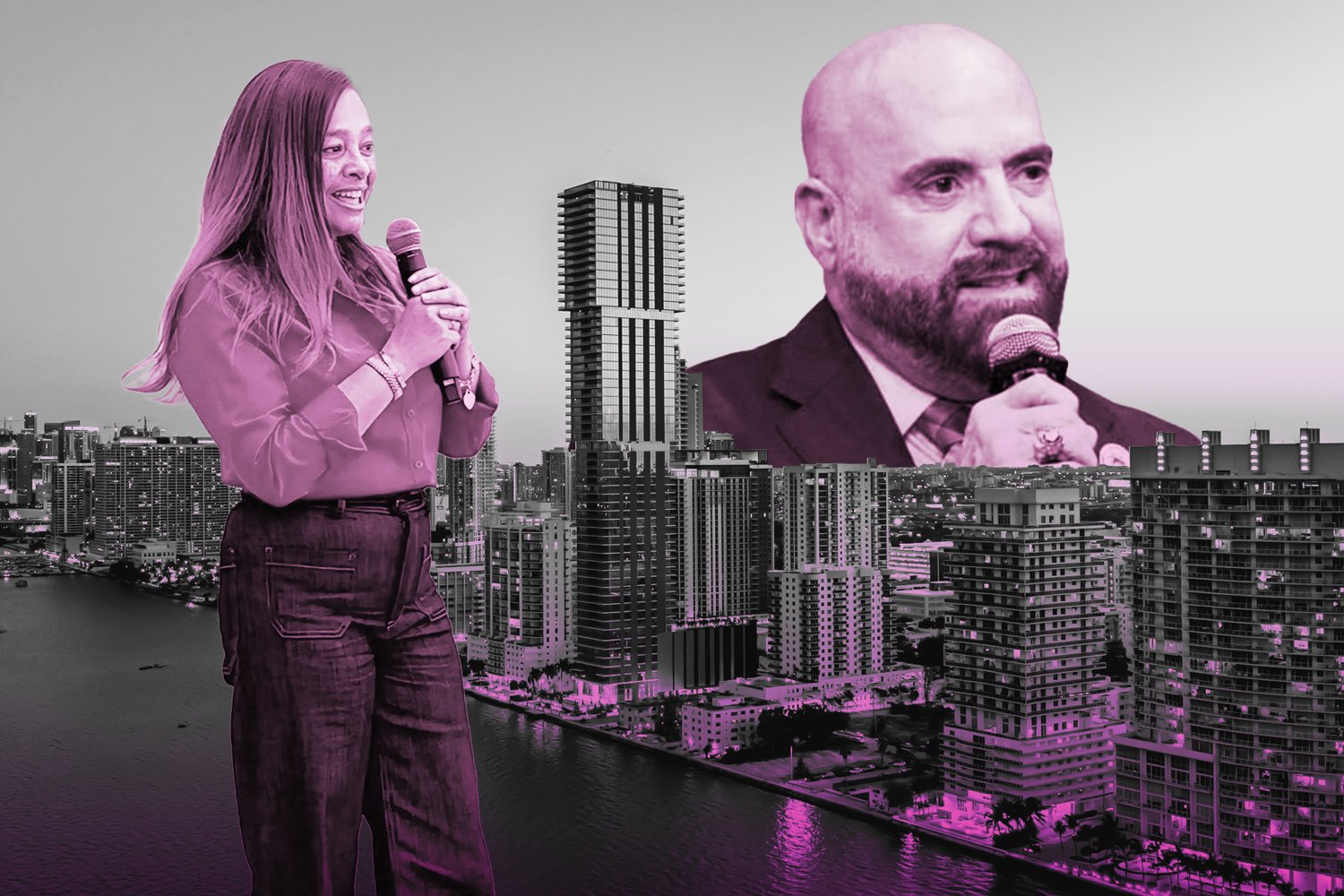
Miami’s push to support more density in Edgewater is important because zoning and resilience policy often shape real estate just as much as market demand. When the city opens the door to more intensity in a prime urban neighborhood, it changes the long-term development map.
For buyers, that matters because future density can affect skyline views, traffic, walkability, retail growth, and the kind of housing supply that reaches the market in the next cycle.
Why Edgewater is a critical neighborhood to watch
Edgewater sits between some of Miami’s strongest demand drivers: Downtown, Wynwood, Midtown, and Biscayne Bay. It has become one of the city’s key high-rise growth corridors because it offers water views, access to the urban core, and a growing residential base.
That makes it a natural focus for policies that try to direct growth toward areas already close to jobs, transit, and services.
What more density could mean
More supply over time
Higher density can create more housing, but the market impact depends on what actually gets built and when it delivers.
A stronger street-level environment
If projects are executed well, more residents can support better retail, dining, and daily convenience in the neighborhood.
More competition within the urban core
For buyers comparing Brickell, Downtown, and Edgewater, policy changes like this can shift where future opportunities appear first.
How buyers should think about policy-driven growth
Policy headlines are useful, but buyers should not treat them as automatic value gains. The more important questions are how much new supply is likely, how the neighborhood is evolving, and whether the location still matches your lifestyle or investment goals.
That is especially true in Miami, where nearby neighborhoods can offer very different experiences even when they are only a short drive apart.
How this connects to Brickell Sold clients
Edgewater is part of the broader conversation around where Miami’s urban growth is going next. Buyers choosing between Brickell, Edgewater, and Downtown need to compare current value with future supply and neighborhood direction.
If you want help comparing those areas, browse current listings or contact Brickell Sold for a neighborhood-by-neighborhood breakdown.
Quick Questions for Buyers and Sellers
Does more density always reduce prices?
No. It can add supply over time, but neighborhood appeal, product quality, and demand still matter.
Why should existing owners care about zoning changes?
Because they can affect future views, traffic patterns, retail quality, and the kind of competition a building faces.
Is Edgewater a strong long-term neighborhood?
It remains one of the most important urban neighborhoods to watch because of its location and development pipeline.
Next Reads
Talk to a Brickell Specialist
Need help comparing Brickell condos, timing a Miami move, or evaluating a new-construction opportunity? Speak with the Brickell Sold team.
